Choosing the Best Pharma Institute in India is one of the most important decisions for students planning a career in the pharmaceutical and healthcare sector. Pharmacy is a rapidly growing field that combines science, healthcare, and technology to improve the quality of life through the development, manufacturing, and safe use of medicines. As the pharmaceutical industry continues to expand in India and globally, there is an increasing demand for skilled pharmacy professionals.
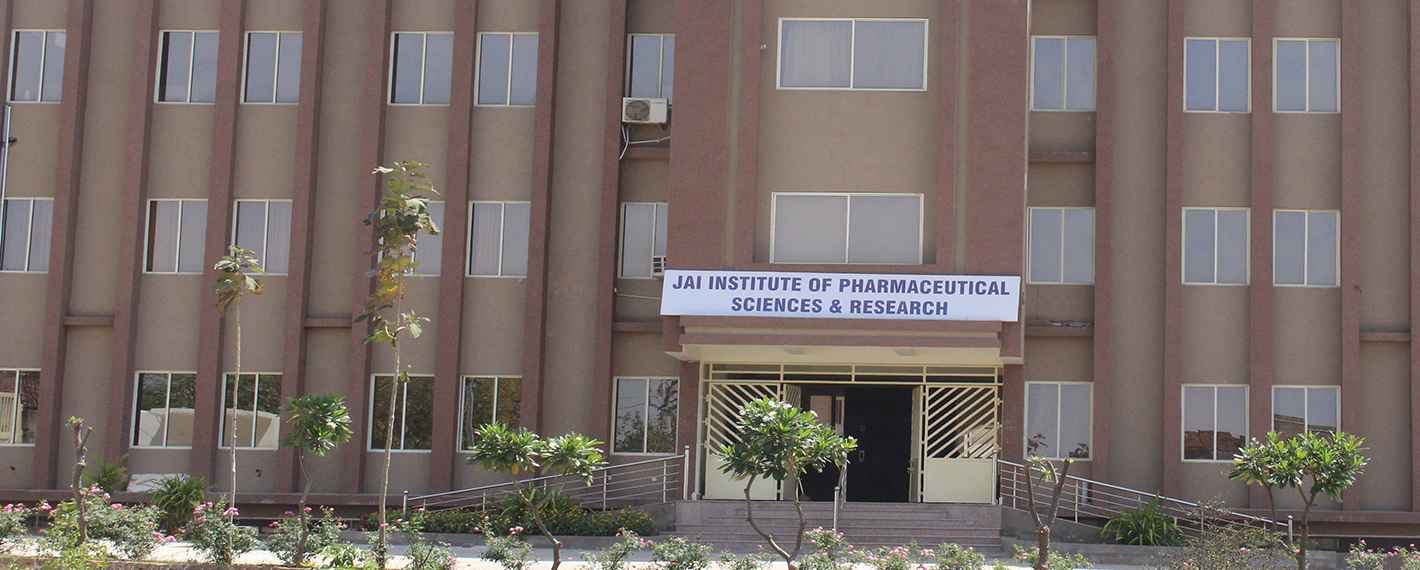
However, selecting the right institute requires more than simply looking at rankings or advertisements. Students should compare factors such as academic quality, laboratory facilities, faculty expertise, industry exposure, research opportunities, and campus infrastructure. Institutions like JAI Institute of Pharmaceutical Sciences & Research (JIPSR), Gwalior, are among the many pharmacy colleges in India that contribute to developing skilled professionals through quality education and practical learning.
Why Choosing the Right Pharmacy Institute Matters
A pharmacy degree provides students with knowledge that extends far beyond medicines. It prepares them to understand drug development, pharmaceutical formulations, patient care, quality assurance, research, and healthcare regulations.
When searching for the Best Pharma Institute in India, students should focus on colleges that encourage both theoretical understanding and practical application. A balanced learning environment helps students build confidence and prepares them for professional responsibilities after graduation.
What Makes the Best Pharma Institute in India?
Every student has different career goals, so the definition of the Best Pharma Institute in India can vary. However, certain features are commonly found in quality pharmacy institutions.
1. Experienced Faculty
Faculty members play an important role in shaping students’ academic and professional growth. Experienced teachers not only explain pharmaceutical concepts but also guide students in research projects, practical learning, seminars, and career planning.
A supportive academic environment encourages students to ask questions, think critically, and develop problem-solving skills.
2. Modern Laboratories
Practical training is one of the most important aspects of pharmacy education. Well-equipped laboratories allow students to understand pharmaceutical formulations, analytical techniques, drug testing, pharmacology experiments, and quality control procedures.
JAI Institute of Pharmaceutical Sciences & Research (JIPSR), Gwalior, provides modern laboratories and practical learning facilities that help students gain hands-on experience alongside classroom education.
3. Industry-Oriented Education
The pharmaceutical industry continues to evolve with new technologies and healthcare innovations. Pharmacy students benefit from institutions that organize:
- Industrial visits
- Guest lectures
- Workshops
- Research activities
- Practical demonstrations
- Skill development programs
These experiences help bridge the gap between classroom learning and real-world pharmaceutical practices.
4. Library and Learning Resources
An excellent pharmacy institute should provide access to updated learning materials, including textbooks, journals, reference books, digital resources, and research publications.
Students who regularly use library resources develop stronger analytical abilities and stay informed about advancements in pharmaceutical sciences.
5. Student Development Activities
Academic education is only one part of professional success. Soft skills, leadership abilities, communication, teamwork, and ethical values are equally important.
Many pharmacy colleges encourage students to participate in:
- Seminars
- Cultural activities
- Scientific competitions
- Sports events
- Community healthcare programs
- Personality development workshops
These activities contribute to overall student growth.
Popular Pharmacy Courses in India
Students interested in pharmacy have several educational options depending on their career aspirations.
Some of the most popular pharmacy courses include:
- Diploma in Pharmacy (D.Pharm)
- Bachelor of Pharmacy (B.Pharm)
- Master of Pharmacy (M.Pharm)
Each course offers different career pathways in healthcare, pharmaceutical manufacturing, research, hospitals, academia, and regulatory organizations.
Career Opportunities After Pharmacy
One reason many students search for the Best Pharma Institute in India is the wide range of career opportunities available after graduation.
Pharmacy graduates can pursue careers as:
- Registered Pharmacist
- Production Executive
- Quality Control Analyst
- Quality Assurance Officer
- Clinical Research Associate
- Drug Inspector
- Regulatory Affairs Executive
- Pharmacovigilance Professional
- Medical Representative
- Pharmaceutical Research Scientist
- Hospital Pharmacist
- Pharmaceutical Entrepreneur
India’s pharmaceutical sector continues to grow, creating opportunities in both public and private organizations.
Importance of Practical Learning
Pharmacy education is most effective when theoretical knowledge is combined with practical experience.
Students should look for institutes that provide opportunities to:
- Perform laboratory experiments
- Learn pharmaceutical manufacturing processes
- Participate in industrial training
- Attend scientific conferences
- Work on research projects
Practical exposure helps students understand industry standards and improves their professional confidence.
Research and Innovation in Pharmacy Education
Research has become an important part of pharmaceutical sciences. Students who participate in research activities gain valuable experience in problem-solving, scientific analysis, and innovation.
Many pharmacy institutions encourage students to present research papers, participate in conferences, and engage in academic projects that contribute to pharmaceutical advancements.
Why Students Consider JIPSR Gwalior
While exploring options for the Best Pharma Institute in India, students often compare infrastructure, faculty, laboratories, academic environment, and learning opportunities.
JAI Institute of Pharmaceutical Sciences & Research (JIPSR), Gwalior, offers pharmacy education with a focus on academic learning and practical training. The institute provides modern laboratories, smart classrooms, library facilities, and experienced faculty members who support students throughout their educational journey.
The institute also emphasizes discipline, practical knowledge, research-oriented learning, and professional development to help students prepare for careers in the pharmaceutical sector. Prospective students can evaluate its courses, facilities, and academic environment to determine whether they align with their educational goals.
Tips for Choosing the Right Pharmacy College
Before taking admission, students should carefully compare different institutions based on:
- Approval and recognition
- Faculty qualifications
- Laboratory facilities
- Campus infrastructure
- Library resources
- Practical training opportunities
- Industry exposure
- Student support services
- Placement guidance
- Overall learning environment
Making an informed decision can help students build a stronger academic foundation and prepare for long-term career success.
Conclusion
Finding the Best Pharma Institute in India is a personal decision that depends on a student’s academic interests, career goals, and learning preferences. Instead of focusing only on promotional claims, students should evaluate institutions based on educational quality, practical training, faculty support, infrastructure, and opportunities for professional growth.
JAI Institute of Pharmaceutical Sciences & Research (JIPSR), Gwalior, is one of the institutions offering pharmacy education with an emphasis on practical learning, academic development, and student support. By comparing different colleges and considering their individual strengths, students can choose an institute that best matches their aspirations and helps them build a successful career in the pharmaceutical industry.
Frequently Asked Questions (FAQs)
1. How can I choose the Best Pharma Institute in India?
Look for factors such as experienced faculty, modern laboratories, industry exposure, academic reputation, infrastructure, practical training, and student support before making your decision.
2. What courses are available in pharmacy colleges?
Most pharmacy colleges offer D.Pharm, B.Pharm, M.Pharm, and other specialized pharmacy programs depending on their academic offerings.
3. What career options are available after completing a pharmacy course?
Graduates can work as pharmacists, quality analysts, production executives, clinical research associates, regulatory affairs professionals, hospital pharmacists, or pharmaceutical researchers.
4. Does practical training matter in pharmacy education?
Yes. Laboratory work, industrial visits, internships, and research activities help students develop practical skills required in the pharmaceutical industry.
5. What should students consider before selecting a pharmacy college?
Students should compare accreditation, faculty, laboratories, infrastructure, placement support, learning resources, and practical training opportunities to find the institute that best suits their career goals.